|
Strategic Water Plan
Background
Water is a valuable and scarce resource.
Its efficient management in the Gladstone region, both for
today and for the future, is a vital factor in the region’s ability to grow
and develop. Not only does the supply of high quality drinking
water support the region’s growing population, water is
also an essential input into most industrial processes and therefore
a key enabler for economic growth.
The Gladstone Area Water Board
(GAWB) is committed to ensuring that the long and short term
water needs of the Gladstone region are met in ways that are
environmentally, socially and commercially sustainable. By this
we mean that our actions and initiatives must attempt to achieve
and support a viable balance between efficient use of the water
resources we manage, the commercial interests of GAWB and the
needs and aspirations of the community. On-going long term planning
is vital to achieving an appropriate balance for the future.
In mid 2003 GAWB initiated a major review of its future water
strategies, by undertaking its Strategic Water Planning Project.
There were a number of factors which led us to the conclusion
that such a review was appropriate at this time.
- The experiences and changed expectations of GAWB, its
customers and stakeholders emerging from the 1996 to 2003 drought.
This drought was the worst on record for the Gladstone region.
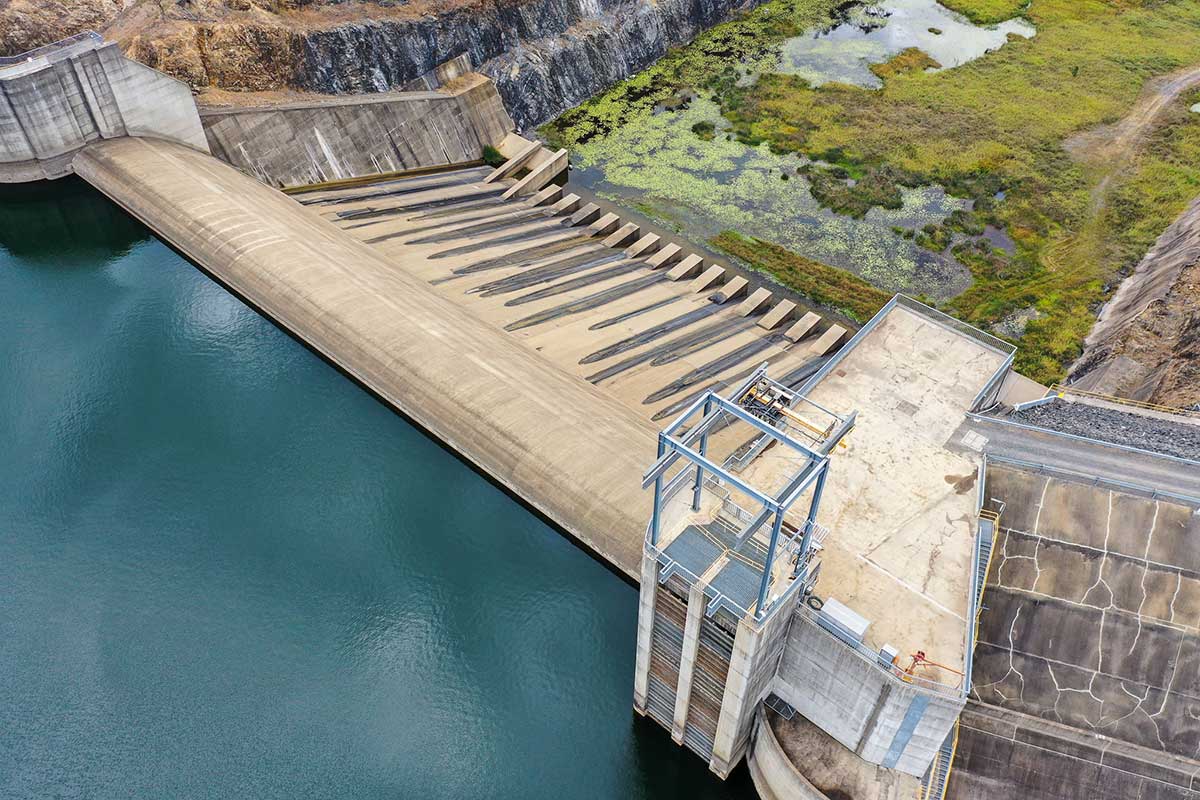
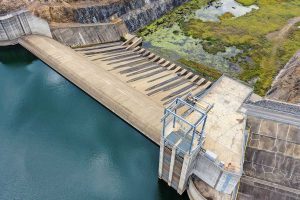
- The prolonged period of low rainfall over the Boyne River
catchment also had the effect of reducing the quantity of water
assessed to be available from Awoonga Dam each year (its yield).
- There is a growing body of data and analysis
that highlights a significant decrease in the region’s
rainfall over the last forty years.
Why do decisions and actions need to be taken now?
It is becoming
increasingly important that the future water plans for the region
are transparent and well articulated. Major customers are making,
and will continue to make, significant investment decisions based
in part on the future water capacity and reliability of the region
and the future costs associated with those plans.
Decisions should
be made on the preferred strategic water options now in order
to:
- provide reasonable certainty to current and prospective
water customers about future water supply and reliability so
that they can make informed investment decisions;
- take steps
to secure preferred water resource options while they are available
and deal effectively with the long lead times inherent in many
water supply options; and
- develop contingency plans for implementation should the
most likely scenarios not emerge.
Summary Report
The project led to the preparation of a comprehensive project
report. The full report is available on request from GAWB.
A Summary
Report was prepared as part of the project and is provided via
the link below. This report is a concise summary of the project’s
comprehensive 'Final Report Securing the Gladstone Region’s
Future: Water'.
The purpose of this Summary Report and the Final
Report (the Reports) are twofold:
- To identify the region’s future water needs, preferred
broad strategic options for GAWB to meet those needs, and the
actions required to be pursued to further develop, explore and
secure these options (which together form the adopted action
plan from the reports) — this regional view will be injected
into key planning processes, most particularly the CQRWSS;
and
- To provide sufficient background information and articulation
of the options to form the basis for further informed discussion
and negotiation among all major stakeholders to settle which
options will be implemented, and the required timing, commercial
arrangements and implementation of those options.
Key Conclusion
The study affirmed GAWB's strong preference to
introduce a second diversified water source as soon as feasible.
The preferred second source is to secure an allocation of water
from the Lower Fitzroy River of 25,000 to 35,000 Mlpa and construct
an interconnector pipeline between the Lower Fitzroy and Awoonga
systems. Since the release of the report GAWB has been pursuing
this outcome as a key strategic priority.
Click here to link to
Strategic Water Plan document
|